

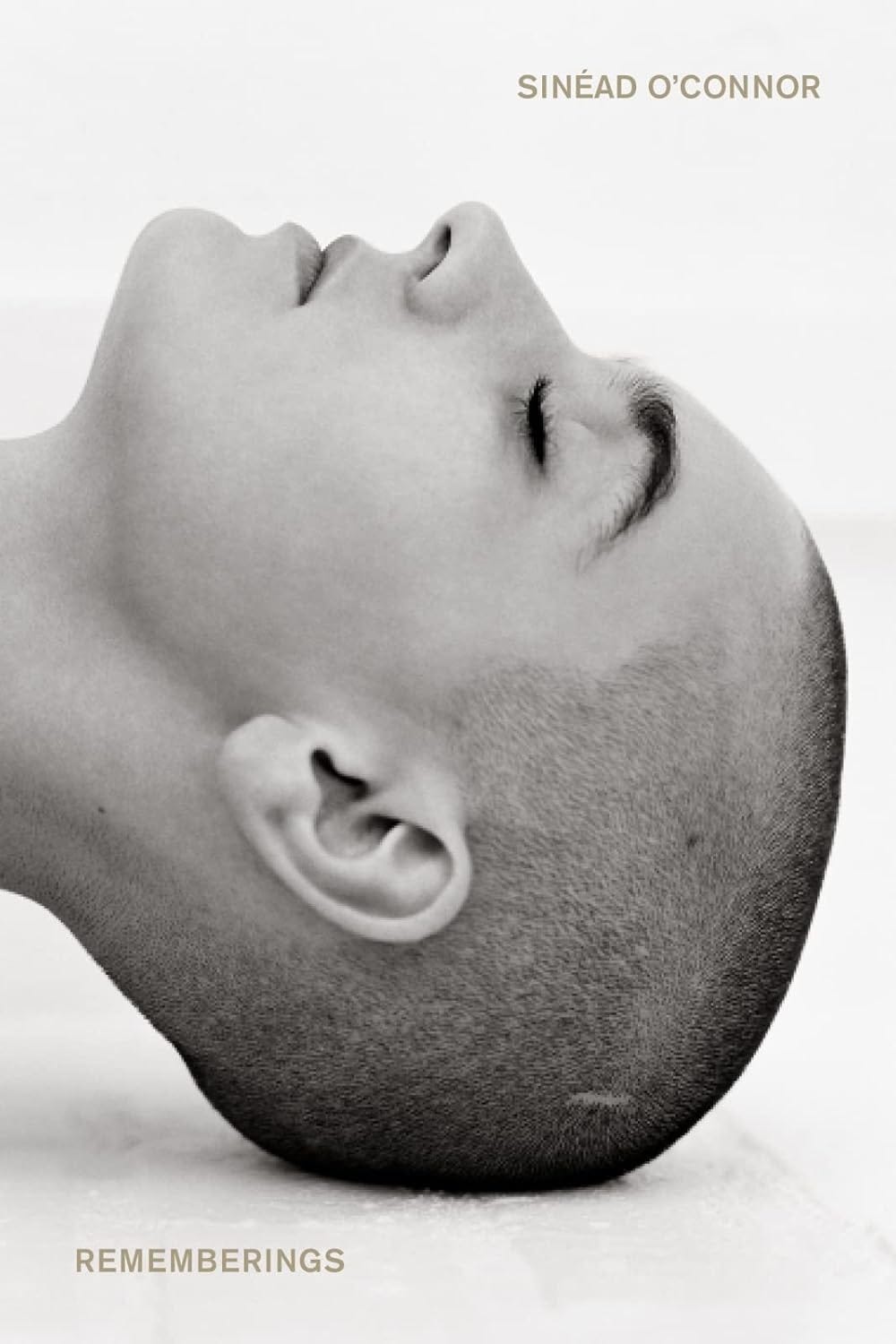
A few words about Sinéad O’Connor’s memoir Rememberings, and Miriam Toews’ memoir A Truce That Is Not Peace.
It was coincidental and fitting that I read these books back to back, as both are visceral memoirs from famous women writers (of different kinds) who have endured enormous loss. Suicide tears through both families, taking O’Connor’s son and Toews’ father and sister. The word “raw” only begins to describe the pain found in these stories. And yet there is joy and gratitude in both, which, I feel after reading the books, are essential to surviving such family traumas.
Both books are fragmentary in whole (O’Connor) or in part (Toews). The title of O’Connor’s book, Rememberings, alludes to the necessarily anecdotal feel of the story she shares. “I can’t remember any more than I have given my publisher,” she writes. “Except for that which is private or that I wish to forget. The totality indeed of what I do not recall would fill ten thousand libraries, so it’s probably just as well I don’t remember.”
O’Connor was bipolar, and her book especially is a whiplash between grateful highs and gutting lows. Her most infamous public episode was, of course, when she tore a photograph of the pope while performing on Saturday Night Live in 1992. I remember watching the episode of SNL and thinking, “What just happened?”
O’Connor more or less had the same thought, as the outsized reaction from an America that was not yet strong enough to even acknowledge, much less confront, the abuses of children by the Catholic church. O’Connor would be vindicated by later revelations. I don’t what to share here what she says about the life-changing and career-derailing affair, but it may surprise you.
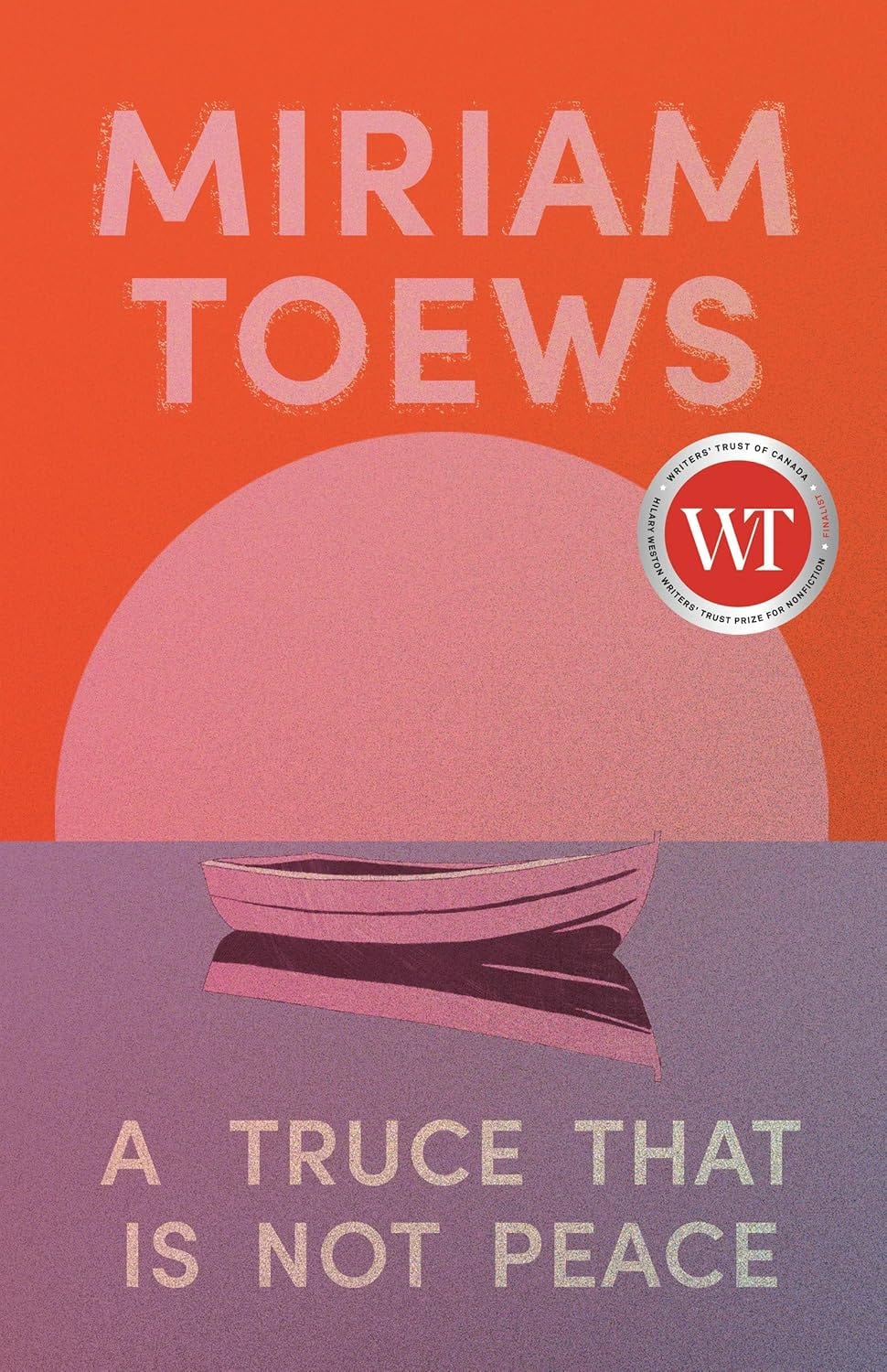
Toews book is at times fragmentary, in the sense that fragments of fact and memory are used to great effect.
The book is at times epistle and at times prose, at times journal, and elsewhere narration of moments in Toews’ life as she lives them.
The book is intensely successful at putting the reader into the mind of the writer, as Toews’ allows us to be in her mind with what seems unfettered access. When she shares letters she wrote from Europe to her sister in the 1980s, or when she walks through her Toronto neighbourhood with a grandchild many years later, everything is so real and vivid — every snowflake, every busy street, every empty cemetery.
The book is also very funny at times, as expected by anyone who has read Toews’ novels, with their flashes of humour amid explosions of drama (or at times the slow burn of drama). An apt example demonstrates the strength and humour of Toews’ own mother, who remains remarkably strong through what are by any measure crushing losses.
When a young Toews is away from home her mother writes: “I bumped into Susan M. on the street and mentioned to her that you were working as a chambermaid in a hotel in Russell Square and that you had recently discovered, in one of the twelve rooms per day you’re expected to clean, a large turd in the exact middle of the bed. Her response; Twelve rooms!?”
By times I felt voyeuristic reading these stories, but these inspired writers were compelled to share them and I hope they both got something good out of the release. I hope they found relief. I hope they felt changed by the stories. As a reader, I certainly did.
-30-