My list of favourite books read in 2025 is too late for Christmas giving, but just in time for Christmas returning.
You may, for whatever reasons, have books to take back to the bookstore to exchange, and every book on this list is worth exchanging for.
The list has 11 works of fiction and four of non-fiction, a proportion that fairly mirrors what my reading was in the past year. They were not necessarily published in 2025 but were encountered by me in 2025, and I recommend all of them, even the one that you will be unlikely to find anywhere but a second-hand bookstore.
In no particular order, here are my recommendations . . .
Fiction
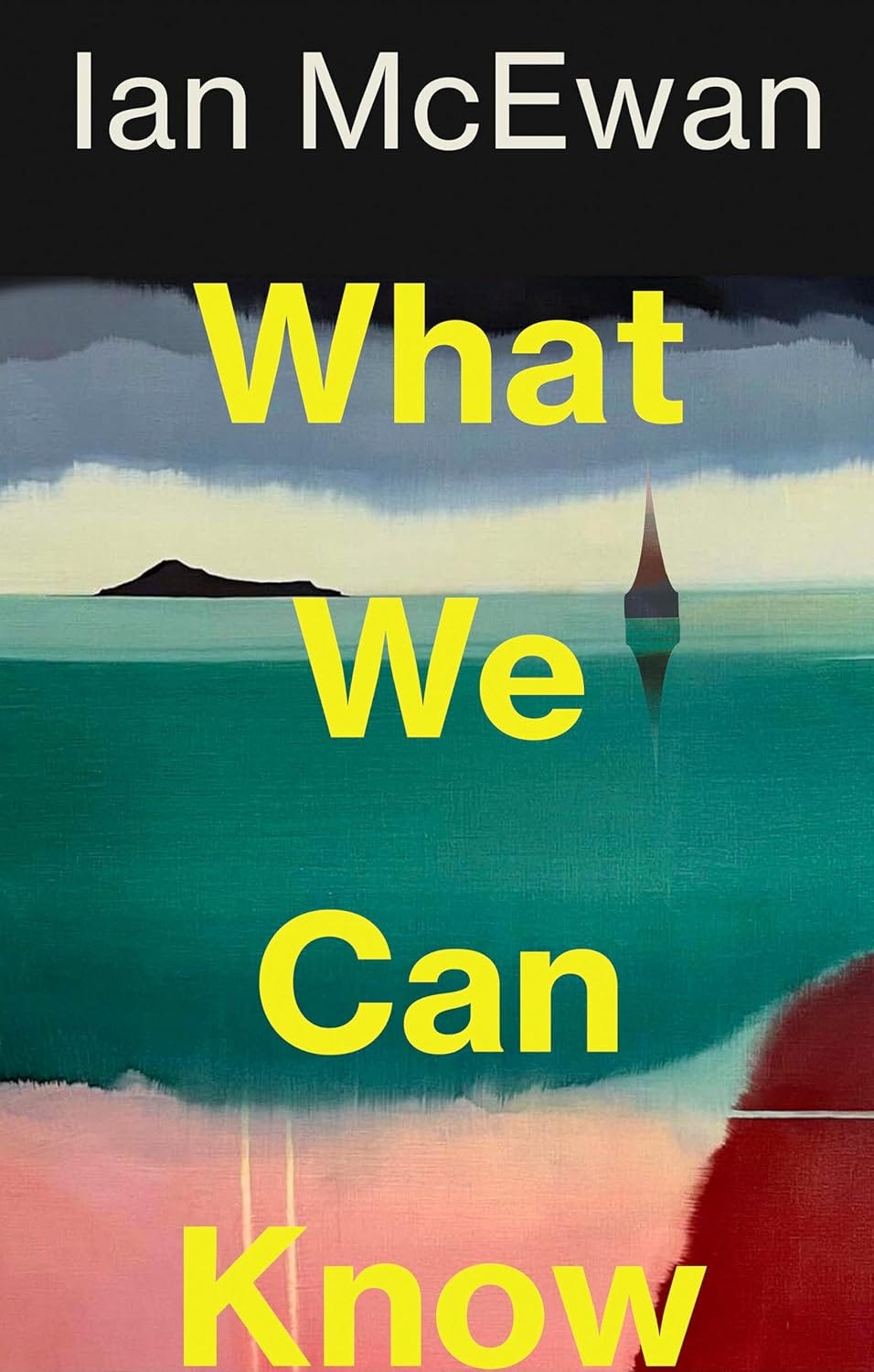
What We Can Know - by Ian McEwan: This ranks among McEwan’s best. He spans two worlds from two centuries and fills both with intrigue. It also posits that young people 100 years from now will be very, very upset that we didn’t stop corporate growth and climate change. No surprise there.
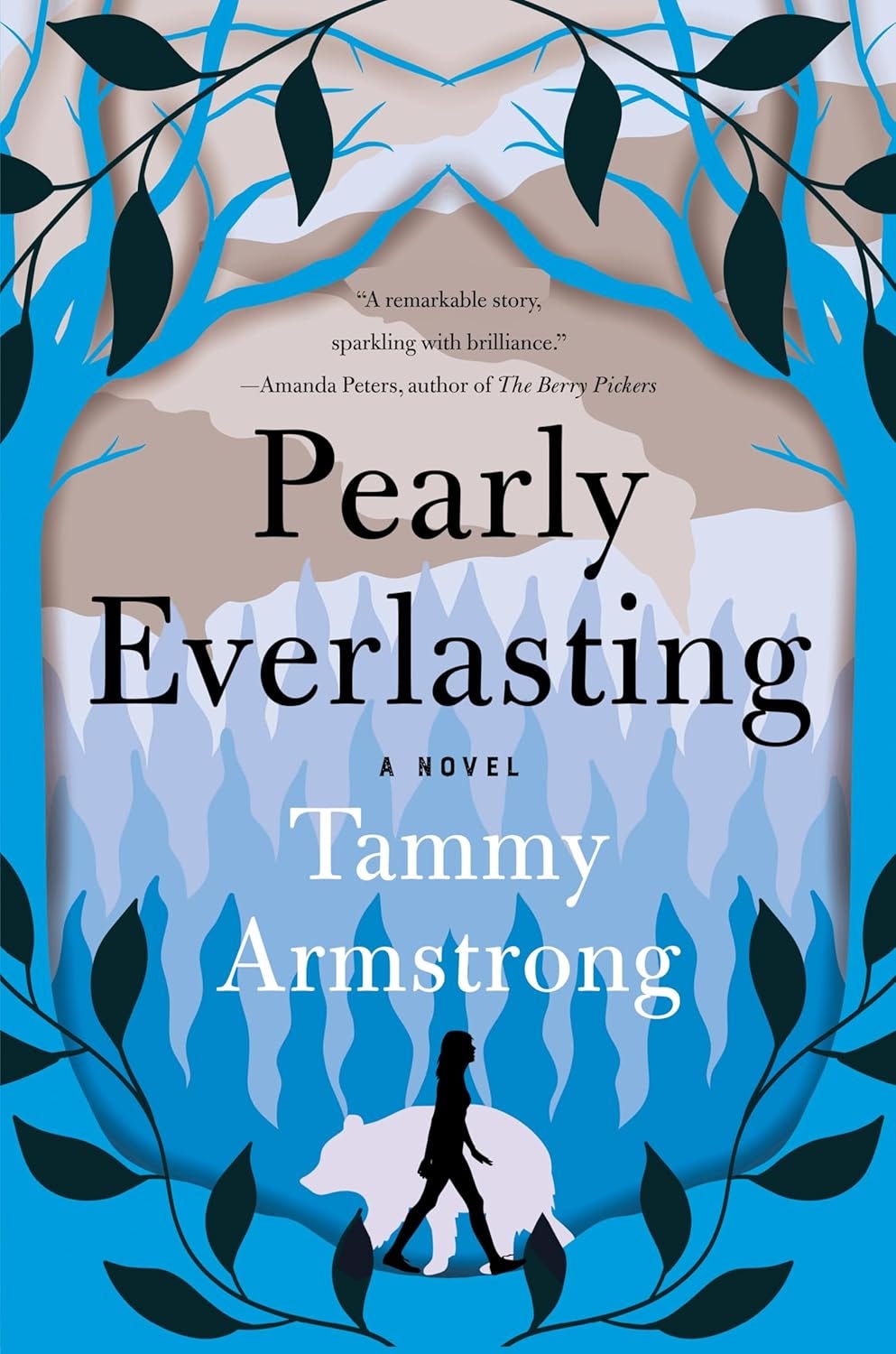
Pearly Everlasting - by Tammy Armstrong: I’m baffled as to why this gem didn’t get more attention, especially in the Maritimes. The titular girl grows up on logging camps in the deep forests of New Brunswick early in the 20th century. I wouldn’t call it magic realism, but it is a fantastic and gothic tale.
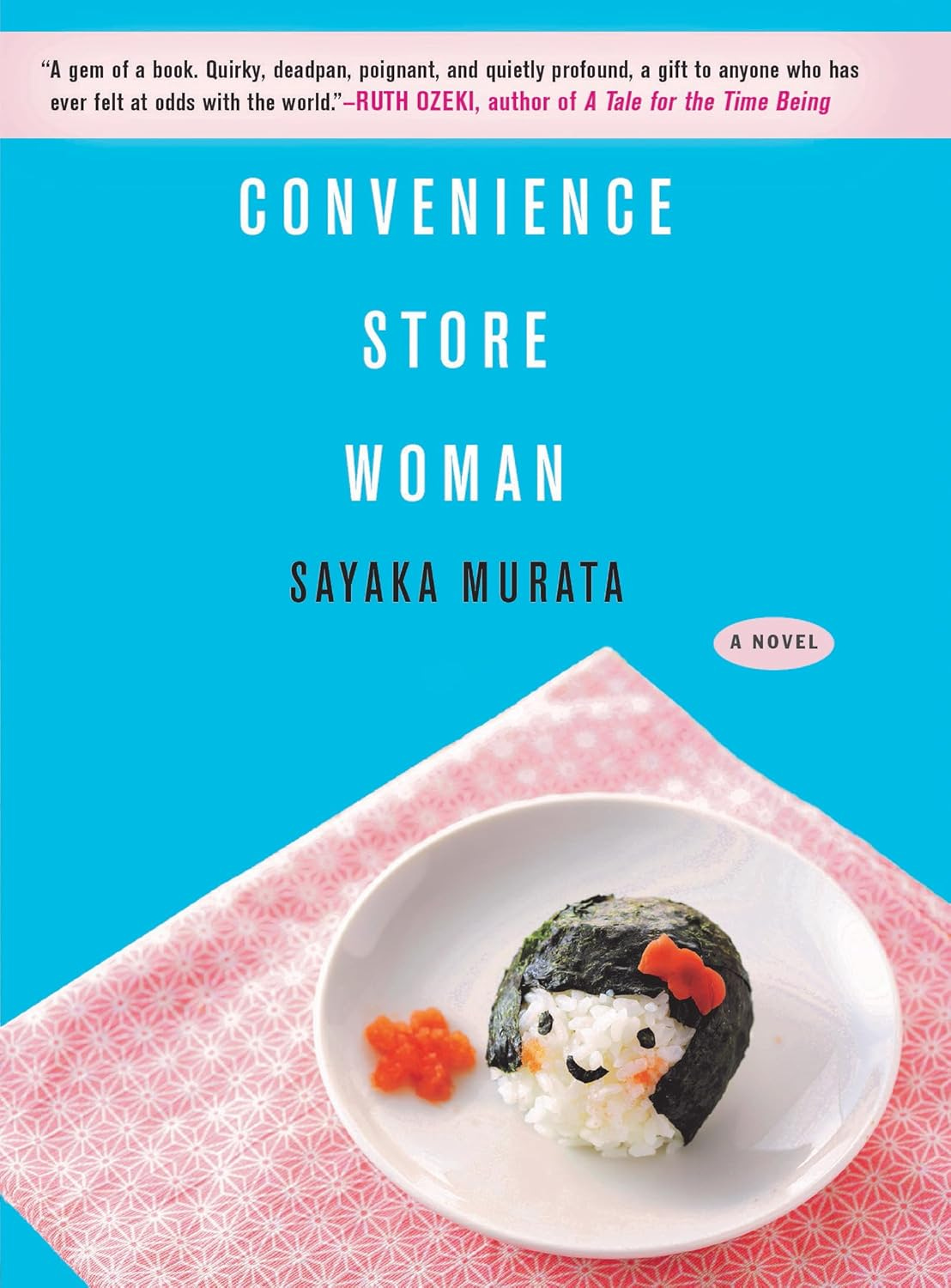
Convenience Store Woman - by Sayaka Murata: Keiko is 36 and works at a convenience store. Family and friends ask why she’s in a “dead-end” job and unmarried. What happens next says a lot about how we present ourselves to the world, and the rigidity of the world’s expectations.
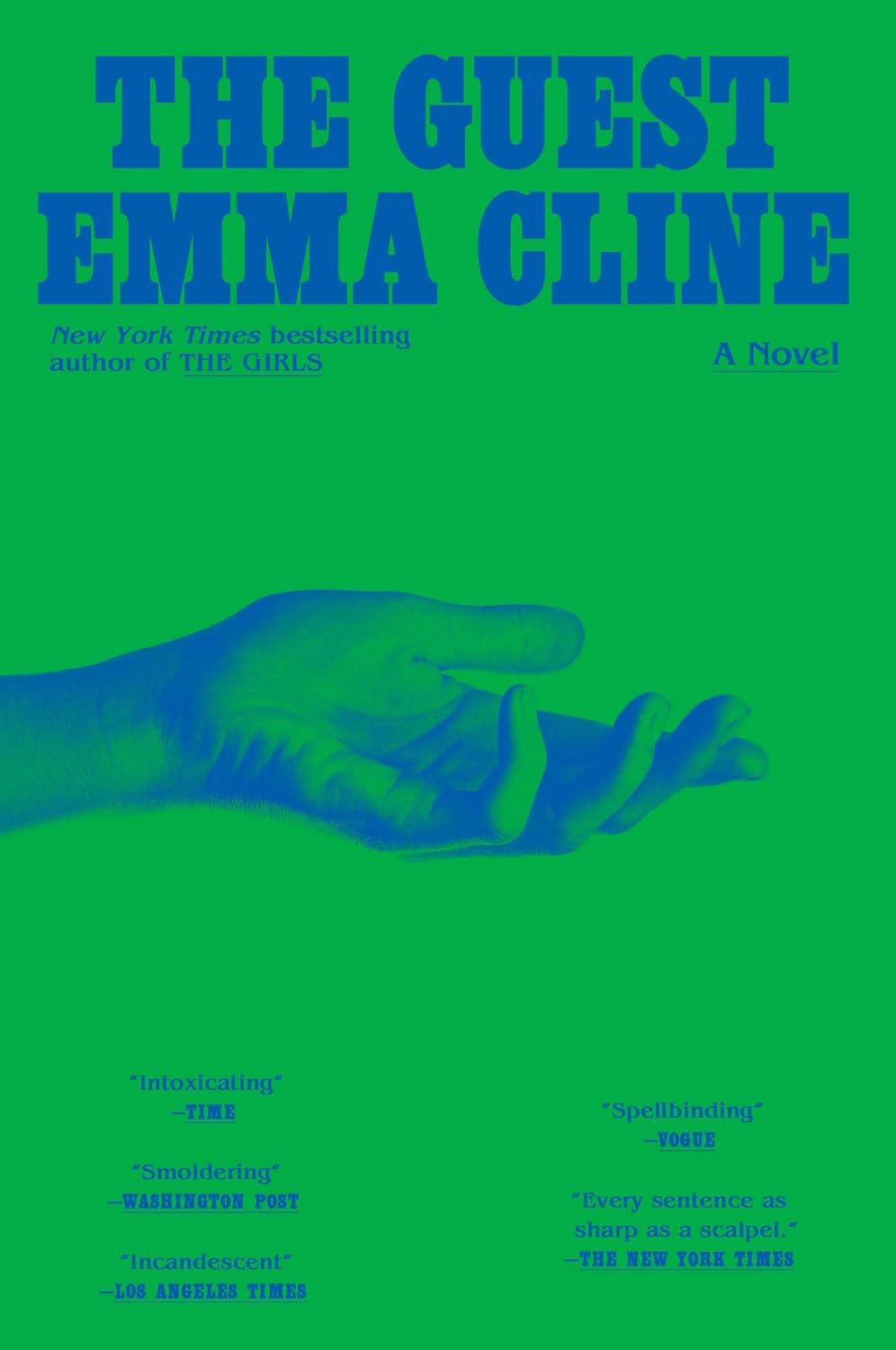
The Guest - by Emma Cline: Twenty-something Alex gets kicked out of her much older and richer boyfriend’s home and begins a five-day journey through the wealthy enclave of his neighbours. It’s uncomfortable to follow the young woman’s spiral, but it’s also irresistible.
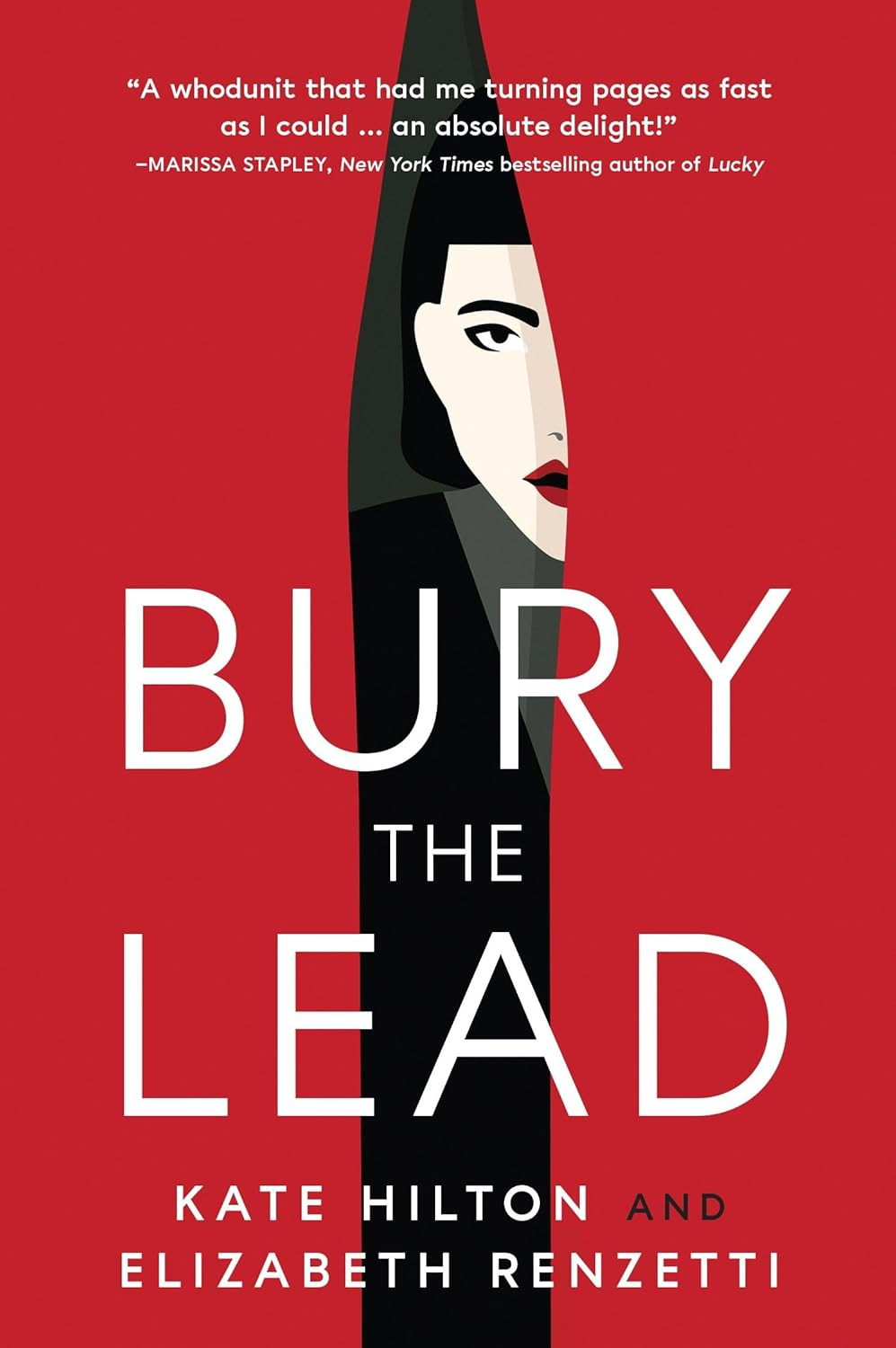
Bury the Lead, or Widows and Orphans - by Kate Hilton and Elizabeth Renzetti: Canadian crime fiction. I mention both books by these well-known journalists because both books are entertaining and cosy mysteries. Like so many mystery settings, a small-town near Toronto sees murders with alarming frequency.
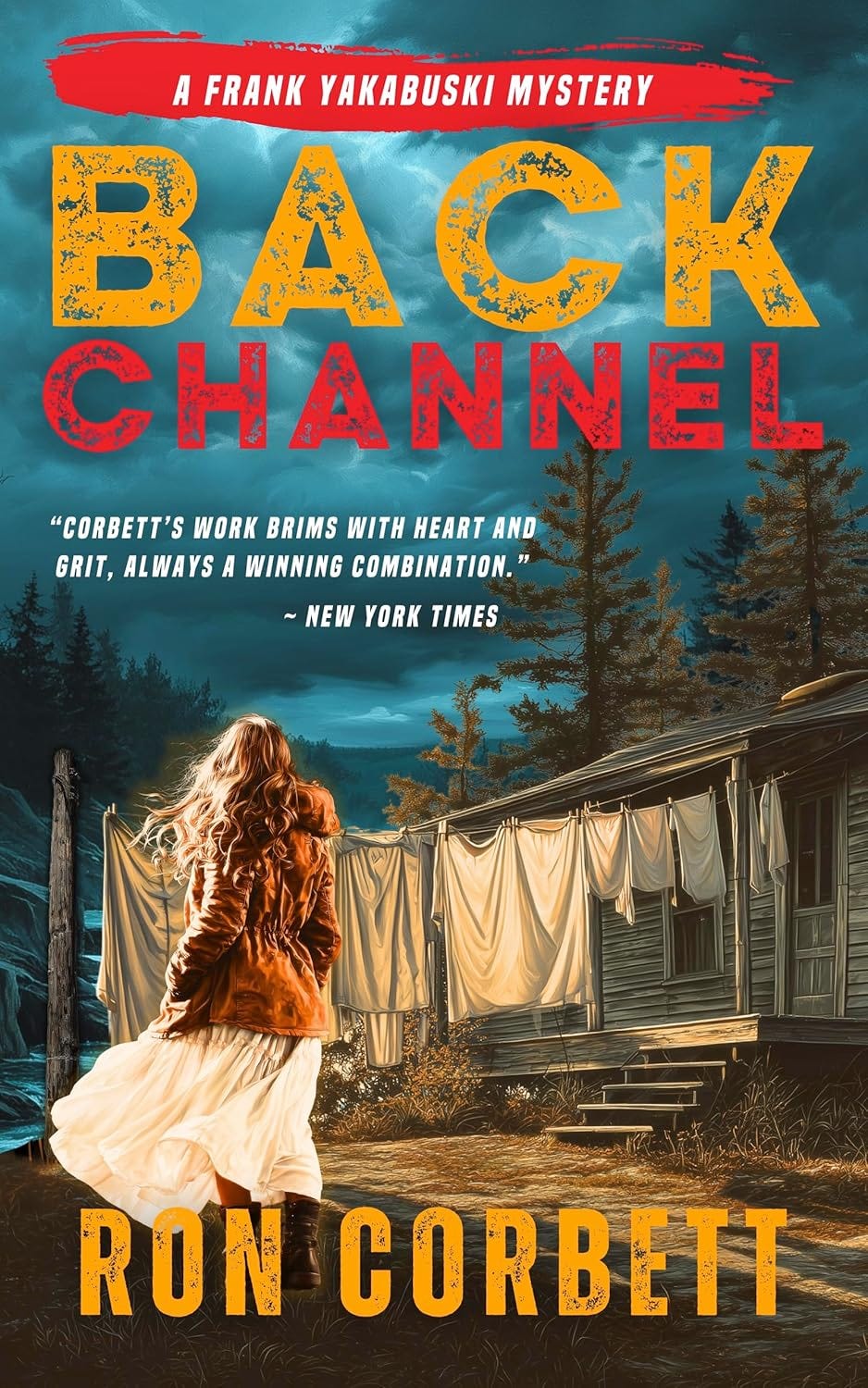
Back Channel - by Ron Corbett: More Canadian crime fiction, from another well-known journalist and writer. The fifth book in the series about Frank Yakabuski, a hardened cop in a northern Ontario city, is well-plotted, and makes brilliantly descriptive use of the woods and rivers as practically their own character. Corbett has spent a lot of time paddling through the landscape, and it shows.
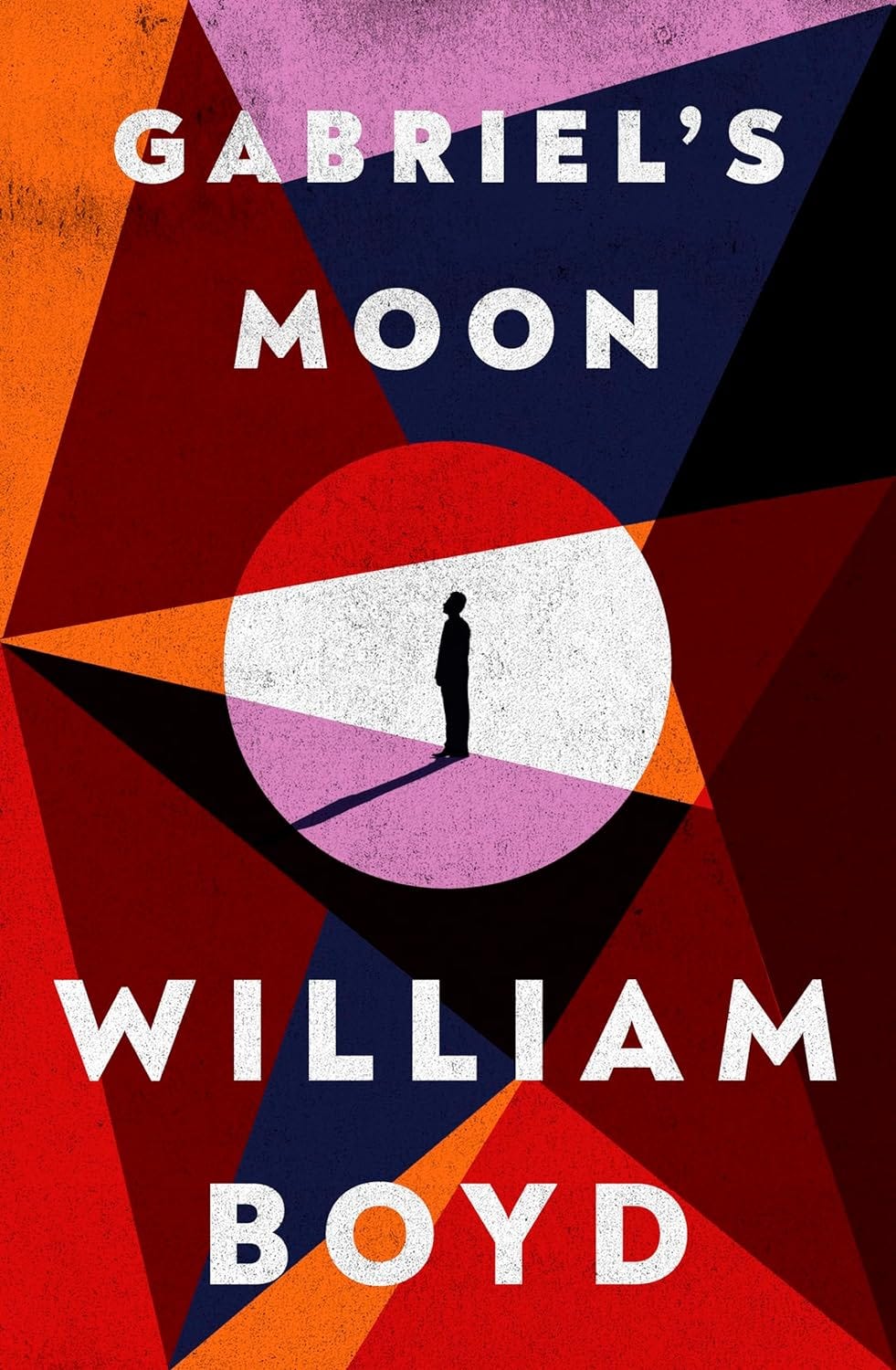
Gabriel’s Moon - by William Boyd: Another of England’s great contemporary novelists launched a new trilogy with this book. A rather guileless travel writer gets embroiled in Cold War-era espionage. The second book in the series, The Predicament, has been recently published and I look forward to reading it soon.
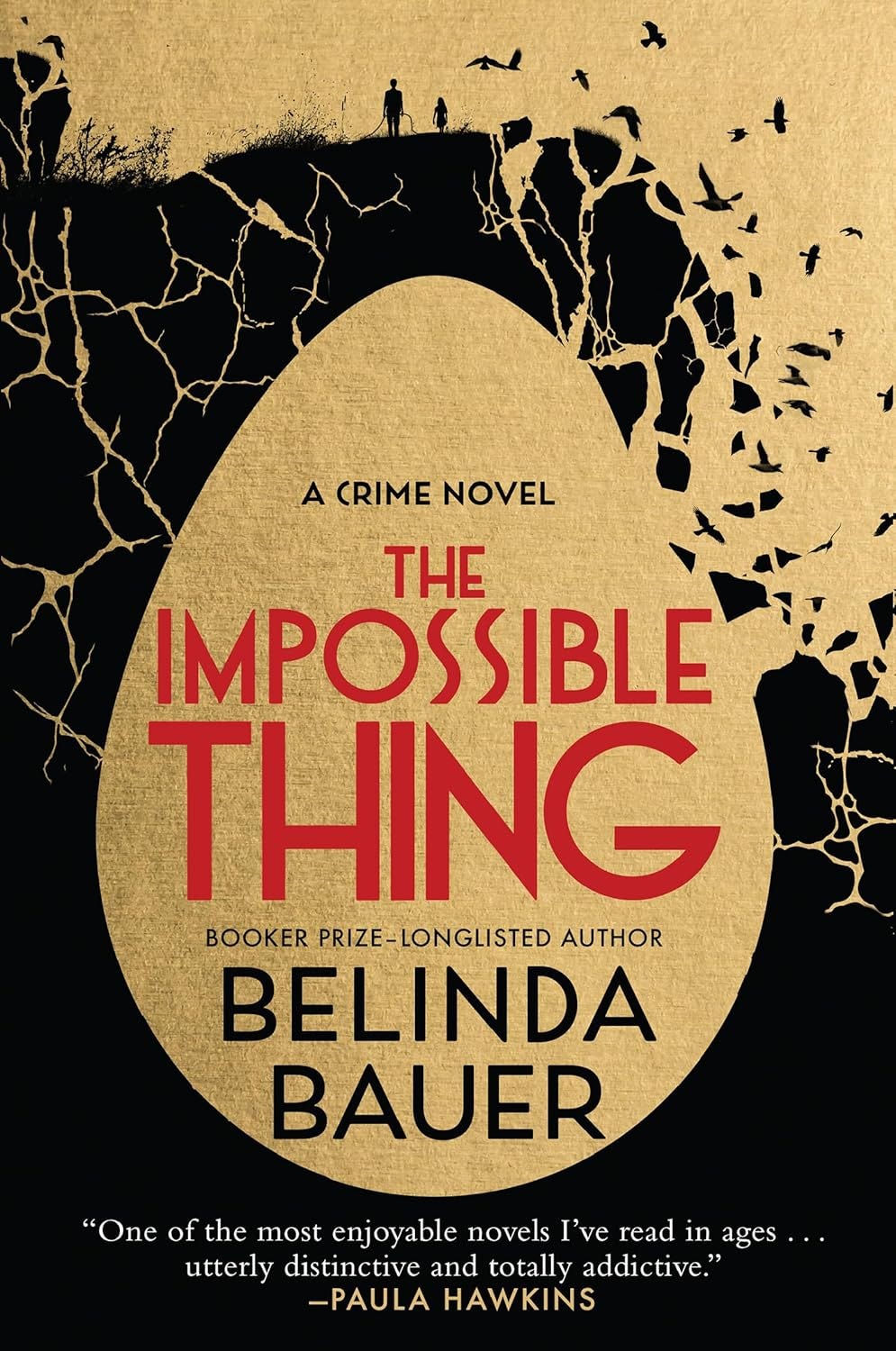
The Impossible Thing - by Belinda Bauer: I see Bauer as a bridge between toothsome mysteries and Booker Prize-worthy literature. Her latest spans a century and follows the curse-like misfortunes that befall those involved with a rare and beautiful bird’s egg.
Bunny - by Mona Awad: Weird. There’s no other word to start with. I don’t want to say too much, so suffice to say that going to college goes very wrong for a group of young women. This is where magic realism is definitely an appropriate descriptor. A sequel was published in 2025 and is working its way to the top of my to-read pile.
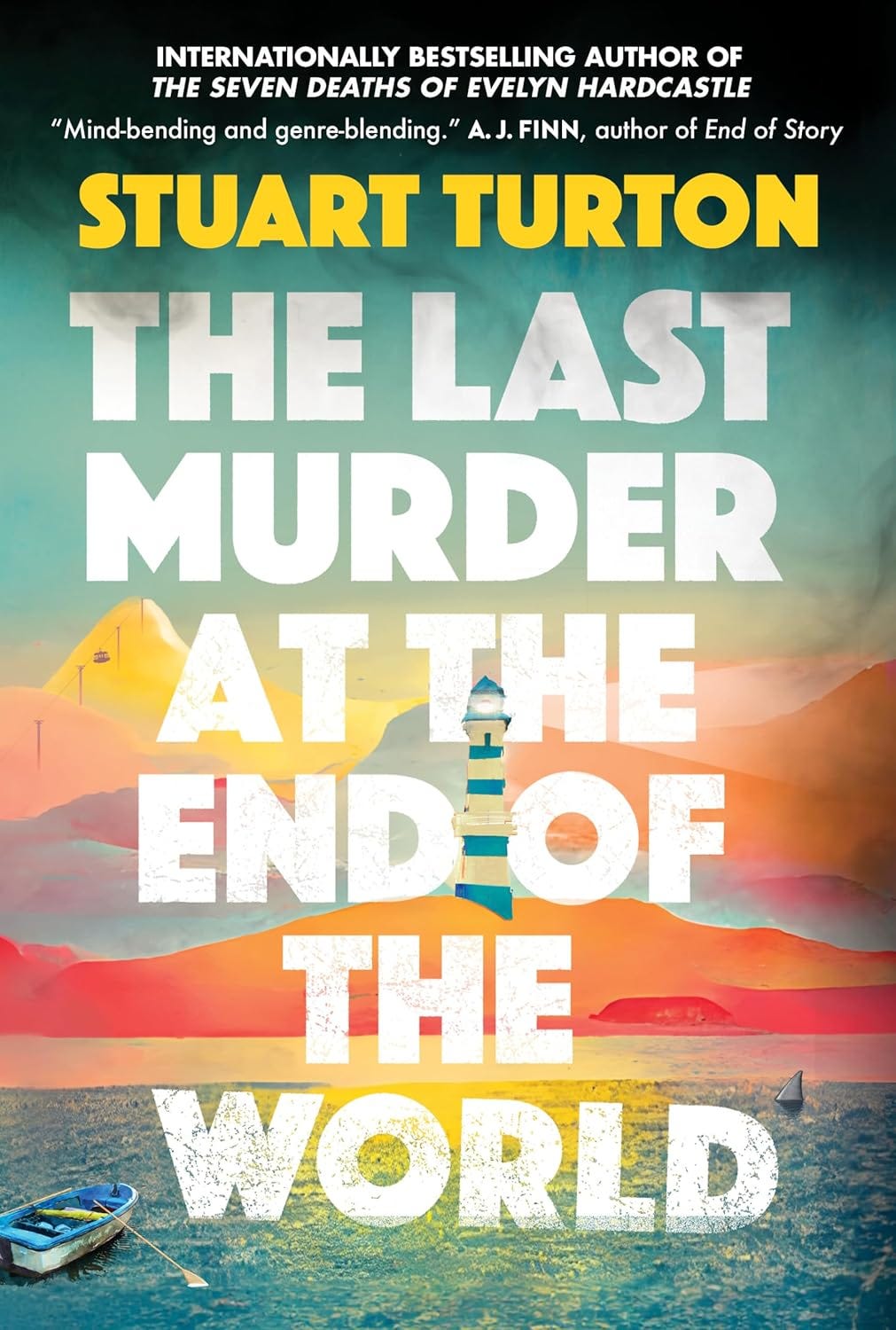
The Last Murder at the End of the World - by Stuart Turton: What starts as a murder mystery becomes science fiction becomes meditation on freedom and corporate tech control. Brilliant.
The Queen of Dirt Island - by Donal Ryan: I read four books by Ryan this year, thanks to a recommendation from my friend Mike. I’ll recommend his most recent as a sterling example of Ryan’s Irish gothic. Tough and often tragically unlucky people living hardscrabble lives. Sometimes they win, sometimes they survive, sometimes they do not.
Non-fiction
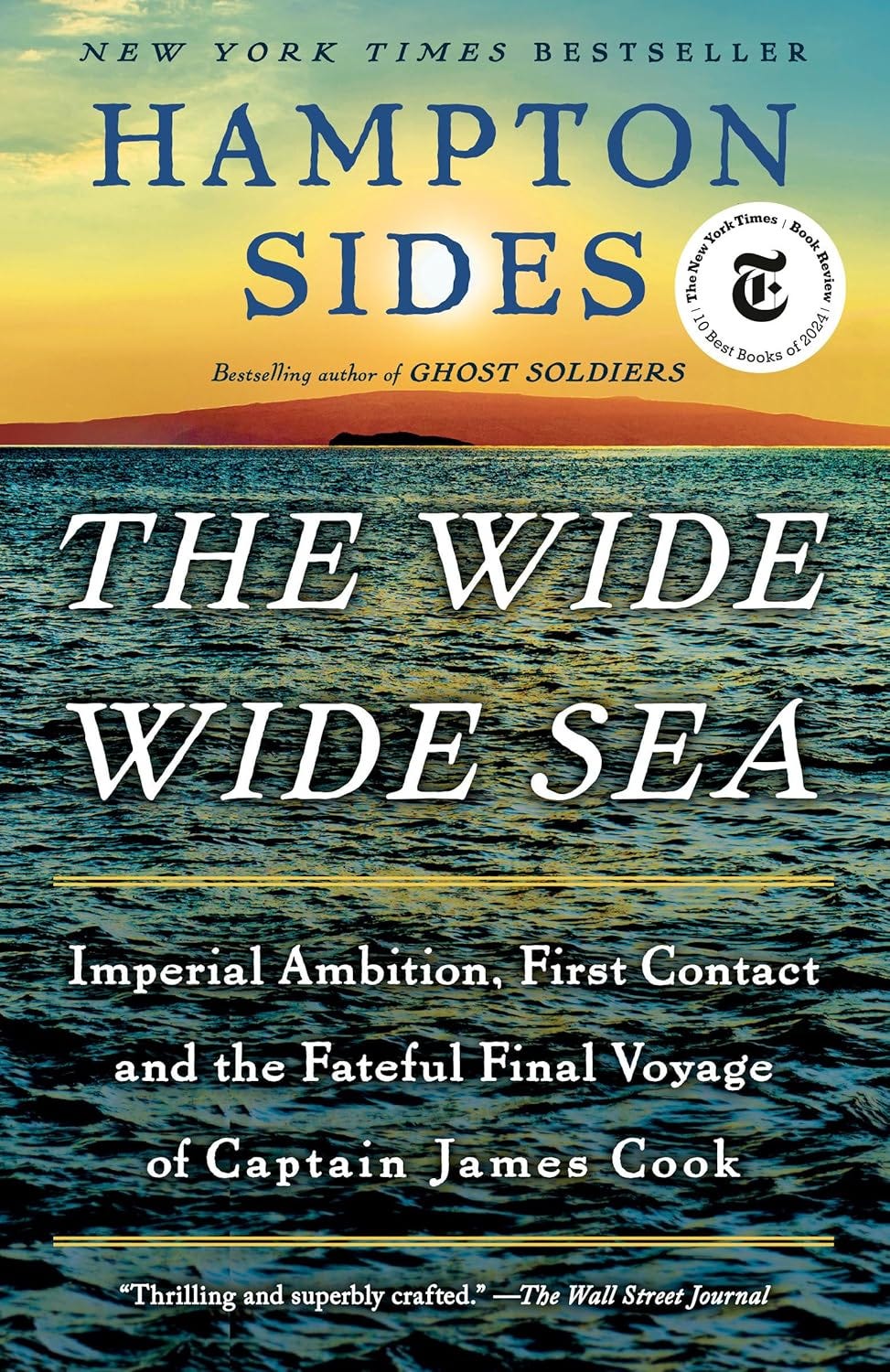
The Wide, Wide Sea: Imperial Ambition, First Contact and the Fateful Final Voyage of Captain James Cook - by Hampton Sides: Cook sailed around the world three times, and this tale of the third is both exhilarating in its powers of story-telling and frustrating in the brutal end that can be seen coming.
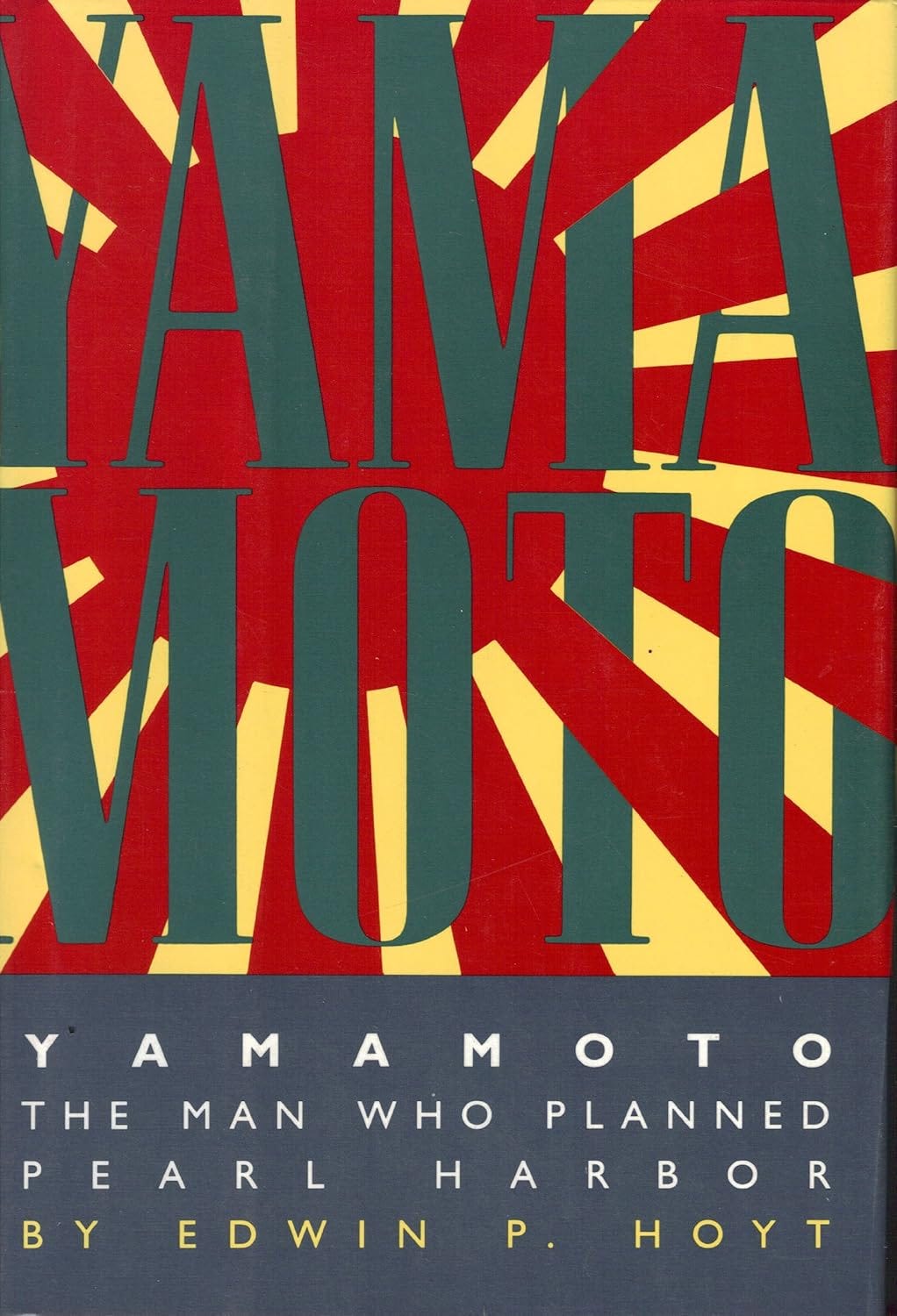
Yamamoto: The Man Who Planned Pearl Harbor - by Edwin P. Hoyt: This one is hard to find, but I encourage you to try. I rank this among the greatest biographies I’ve read (e.g. Peter The Great, by Robert K. Massie, and Last Train To Memphis/ Careless Love, Peter Guralnick’s two-volumes on Elvis Presley.) As admiral of the Combined Fleets, Isoruko Yamamoto was tasked to plan the attack on Pearl Harbor in 1941, after he’d spent the previous years advising the Japanese government of the suicidal folly of such an act. For me, Yamamoto is one of the most fascinating characters of the 20th century.
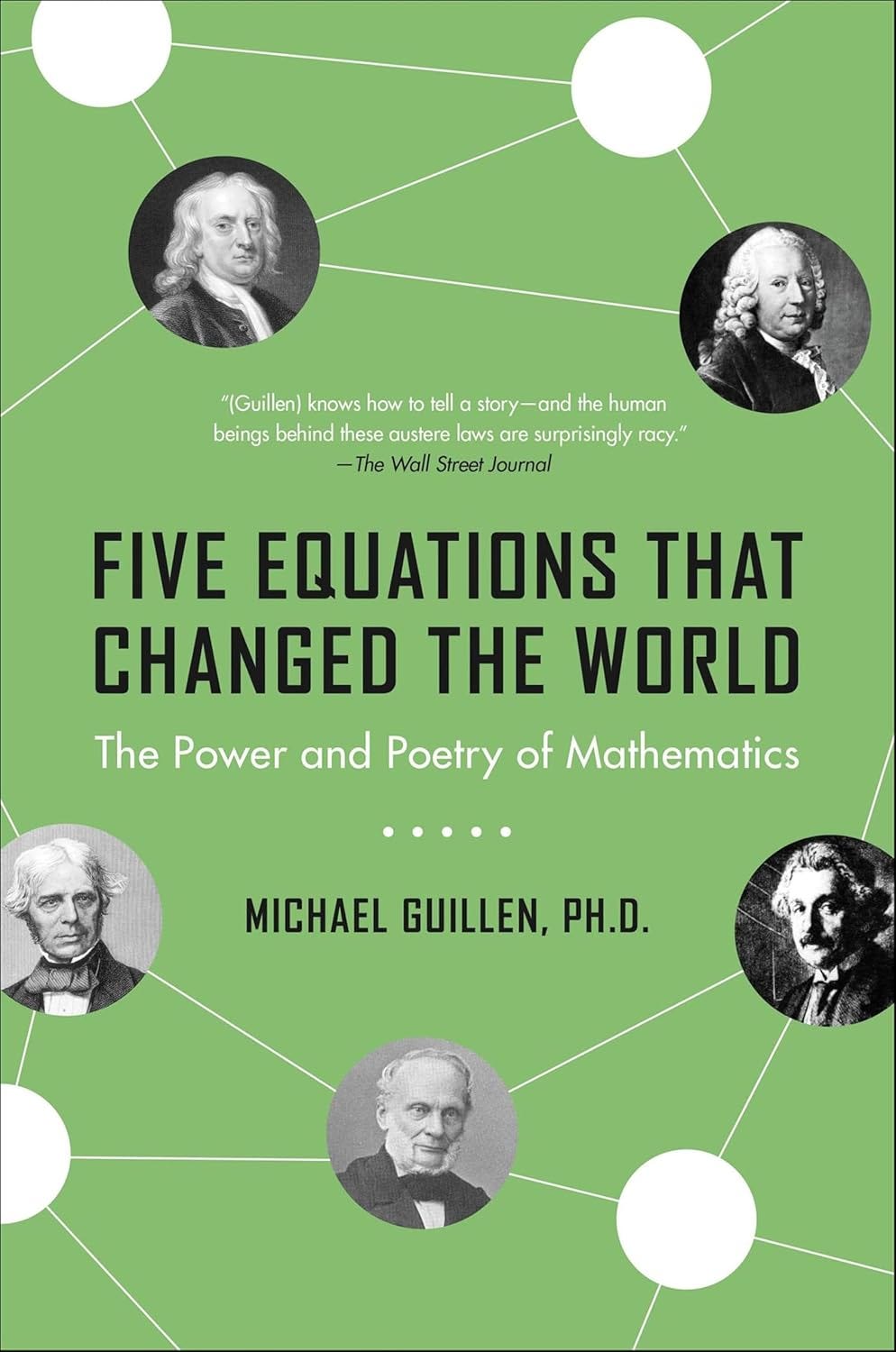
Five Equations That Changed the World: The Power and Poetry of Mathematics - by Michael Guillen: You don’t have to be a math nerd to enjoy this approachable look at how great equations leapt from the blackboard and into every corner of daily life.
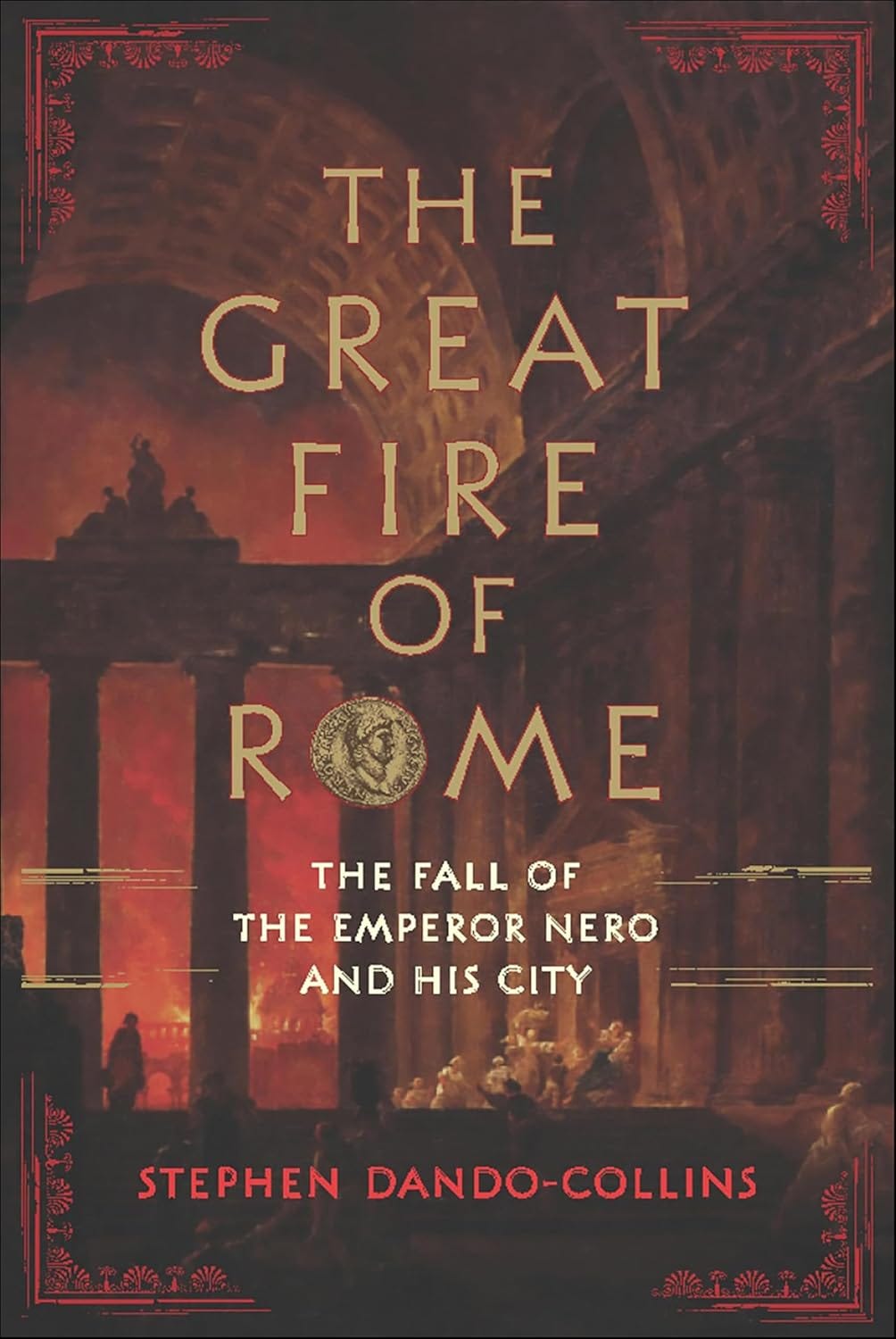
The Great Fire of Rome: The Fall of the Emperor Nero and His City by Stephen Dando-Collins: Nero is surrounded by myth, starting with the nonsense about how he “fiddled” as Rome burned, although the fiddle/violin wouldn’t be invented for another 1,500 years. Not that he was without fault for the misfortunes that befell the empire during his reign. It’s shocking how many rich Romans chose to kill themselves at his mere behest. I was even embarrassed for the emperor who scandalized society by having entered singing contests, and who believed he had won every single contest by merit — even the singing contest in which he didn’t actually sing.