(This is the first post in a new series titled 1 Question With . . . or IQW. It is one revealing question with an interesting person in the arts, and will appear periodically here on Art and Other Things.)
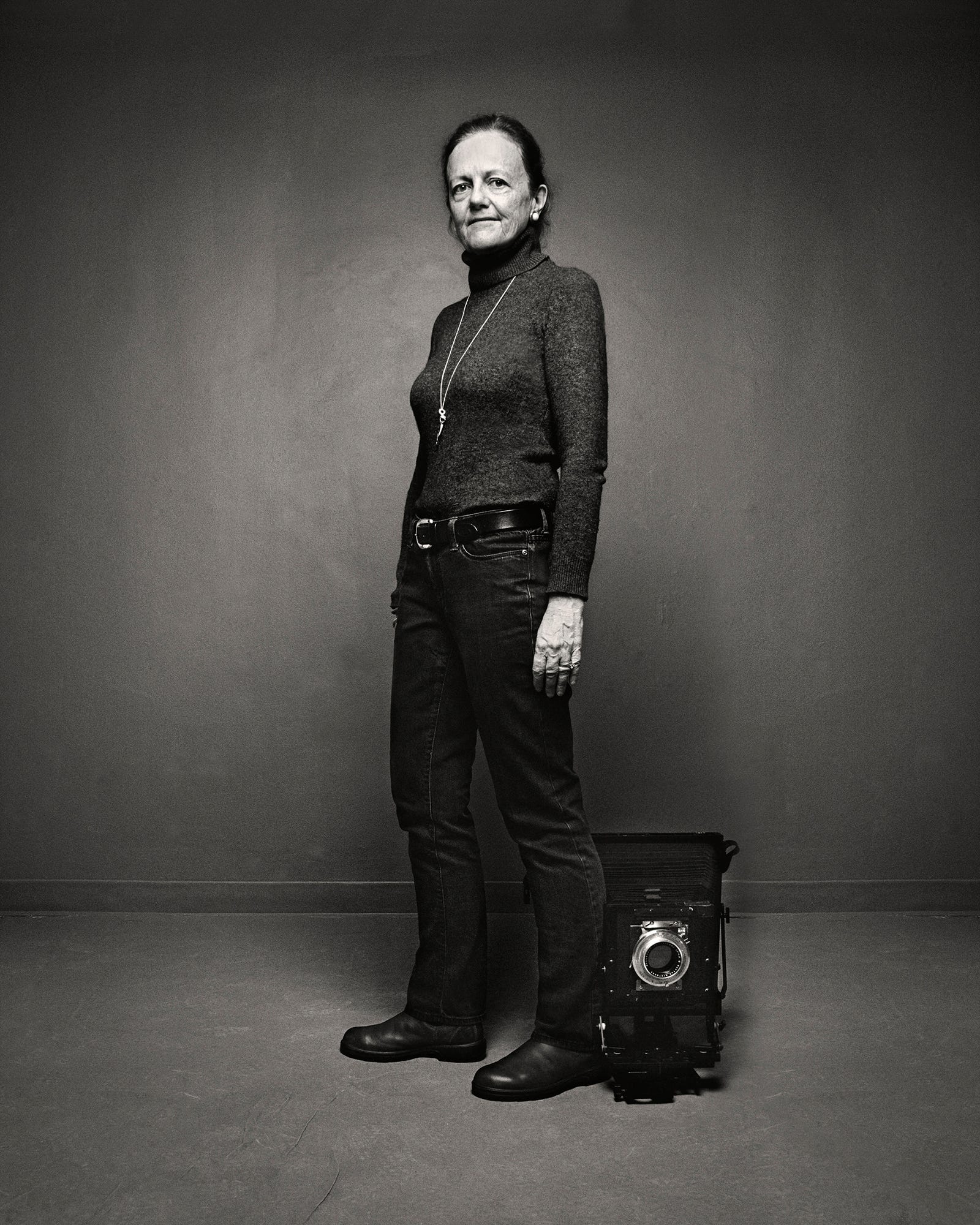
Christine Fitzgerald is a renowned Ottawa photographer with a deep love of the natural world. She’s a graduate of Acadia and Dalhousie universities, and of the School of Photographic Art Ottawa (SPAO). She has won numerous awards including the City of Ottawa Karsh Award, the 2016 International Fine Art Photographer of the Year from the Lucie Foundation and was a 2017 winner of the International Julia Margaret Cameron Award for women photographers. Her work is in many public and private collections.
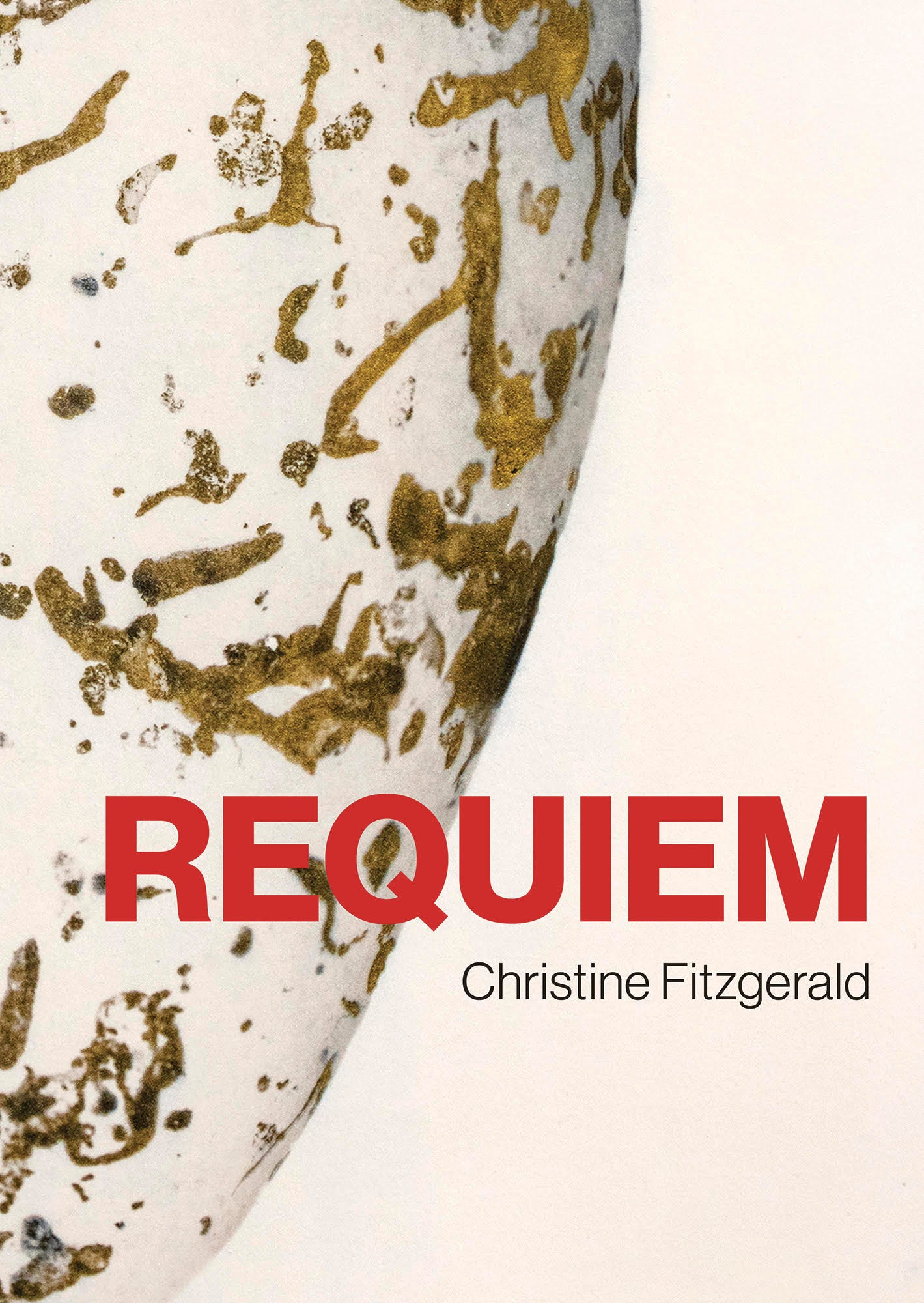
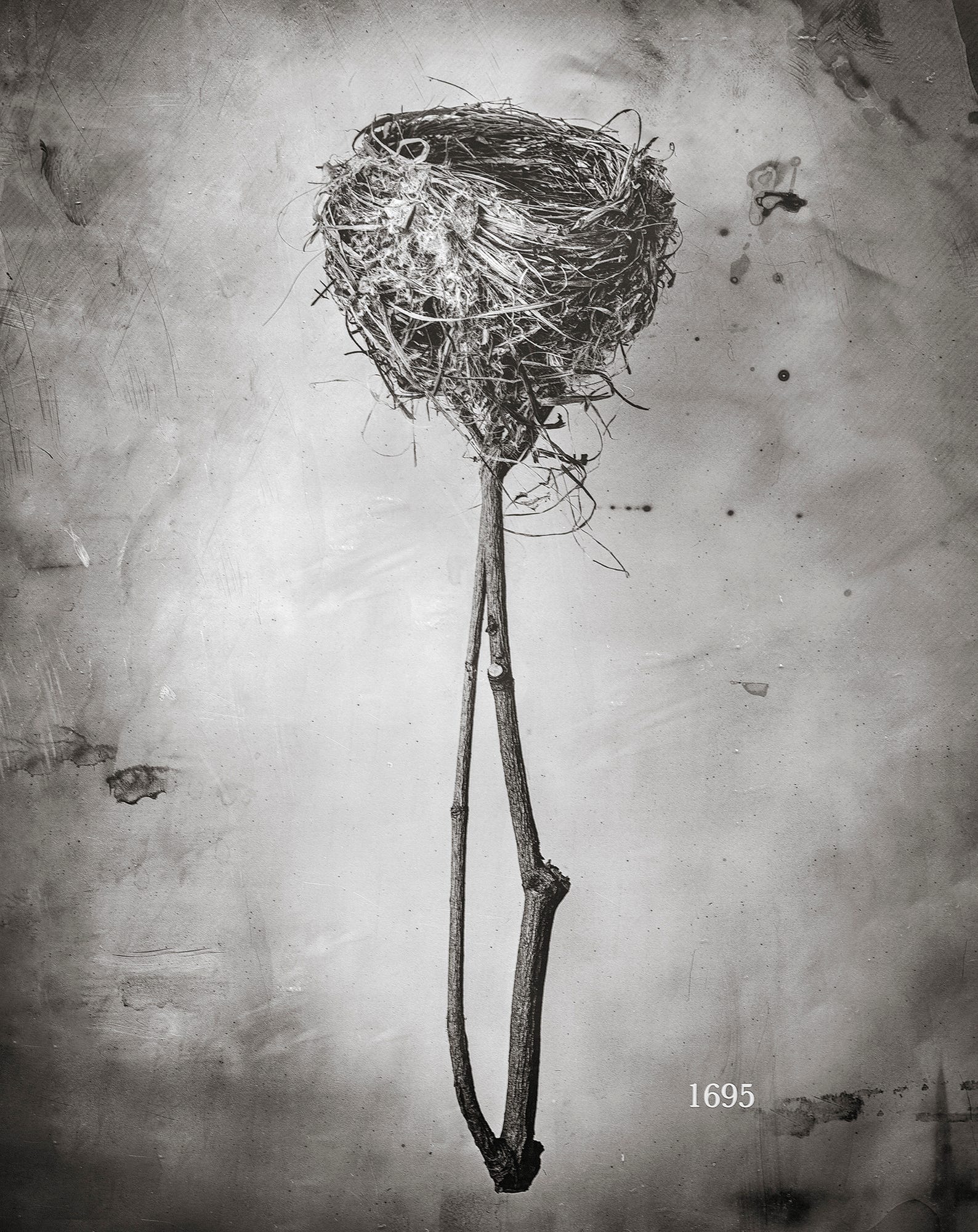
Her book Requiem is “a visual testament to nature’s fragile beauty and a warning for what we stand to lose.” It is focused on birds and their eggs and nests, as seen in artifacts in natural history museums. Requiem is now part of the permanent collections of the National Gallery of Canada, the Royal Ontario Museum and the Canadian Museum of Nature.
1QW: Why birds and eggs?
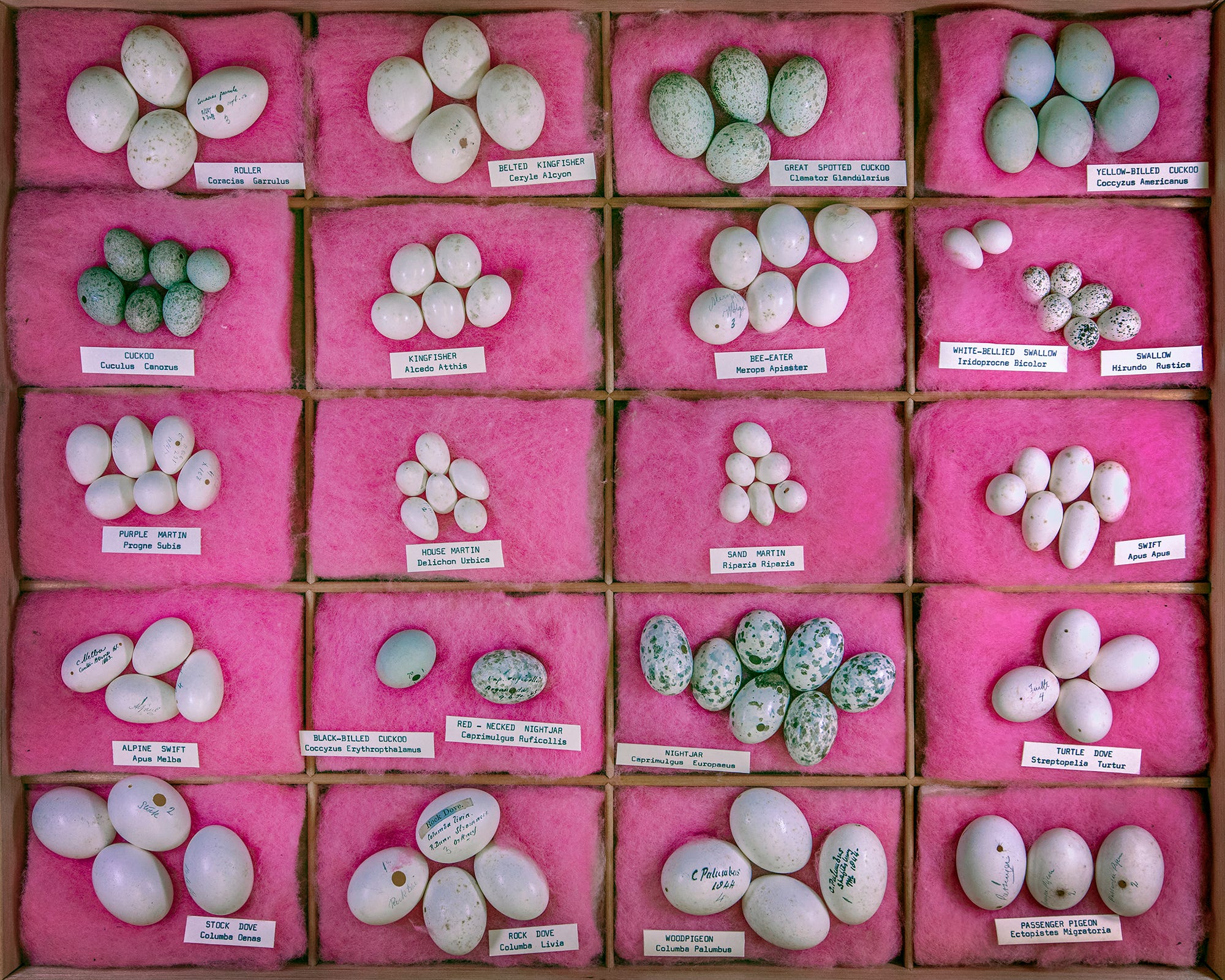
Christine Fitzgerald: It actually started with eggs, and then it moved to nests, and then it moved to birds. But it started with eggs, and the biggest collection of bird eggs is in the world. It is in England, at the Natural History Museum. They have about a million bird eggs, and that represents like 95% of species in the world. The Brits were obsessed about collecting bird eggs.
I wanted to find a metaphor for the fragility of life and ecosystems and what’s going on in the world today, and the best thing I could think of were bird eggs that are so fragile and perfect. A bird egg is a perfect object.
I contacted the Natural History Museum, it took about eight months before they approved my visit. I spent a month there. I went in every morning and left at supper time, and the curator in charge of bird eggs and nests was simply outstanding. His name is Douglas Russell. That whole experience I found transformative, you know, in terms of my practice.
If you want to find out what’s going on in the world, like Margaret Atwood said, you look at what’s going on with birds. They’re a barometer for the health of the planet and in the last, you know, 50, 60 years we’ve lost 30 per cent of birds on the planet. I wanted to do an artistic inquiry on the fragility of our ecosystems. Birds were a good place to start, and bird eggs especially given their fragility.
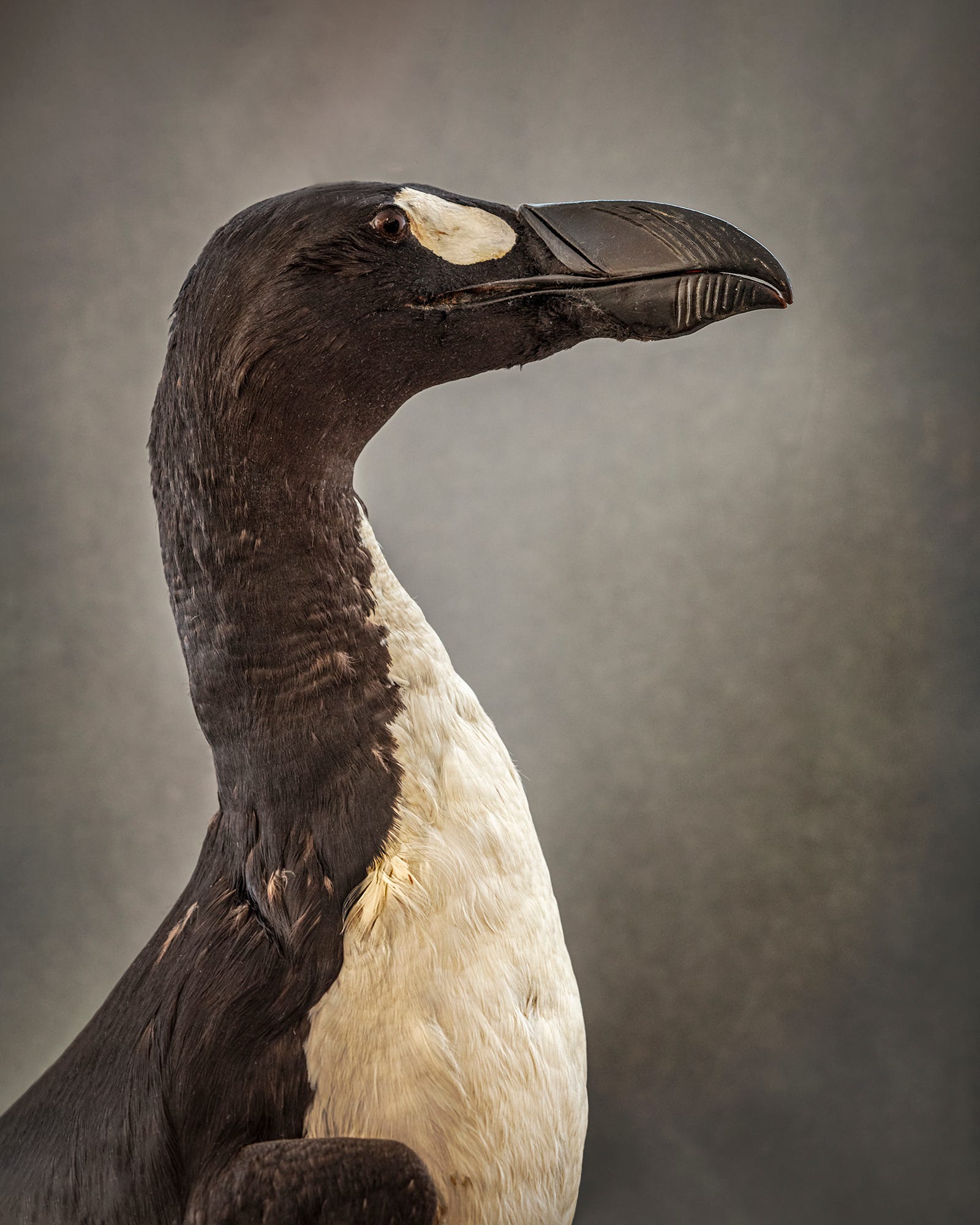
What a fascinating experience. I held the emperor penguin eggs that were brought back from the Scott expedition to Antarctica. I went to Cambridge, there’s a (Scott) institute for research on Antarctica. I actually had these eggs in my hand, and it was just the feeling that you get when you look at something like that, and you touch it. It’s hard to describe. You know, when I saw my first great Auk at the museum, I literally started crying.
I had done all this research for about two years, and I had done the exhibition at the Karsh-Masson gallery in Ottawa and it was called Requiem. I decided that I should pull it all together and put it in a book. The book kind of pulls everything together. It’s an intersection between my personal interest in historical collections, history, photography and the environment.
-30-
Fitzgerald’s answer to our 1QW has been edited for clarity and length.
Requiem is available to purchase in Ottawa at the National Gallery, the Ottawa Art Gallery and Books on Beechwood. In Toronto at University of Toronto Press, the Magenta Foundation and Contact Photobook Lab. It can be ordered from Fitzgerald’s website by clicking here.